
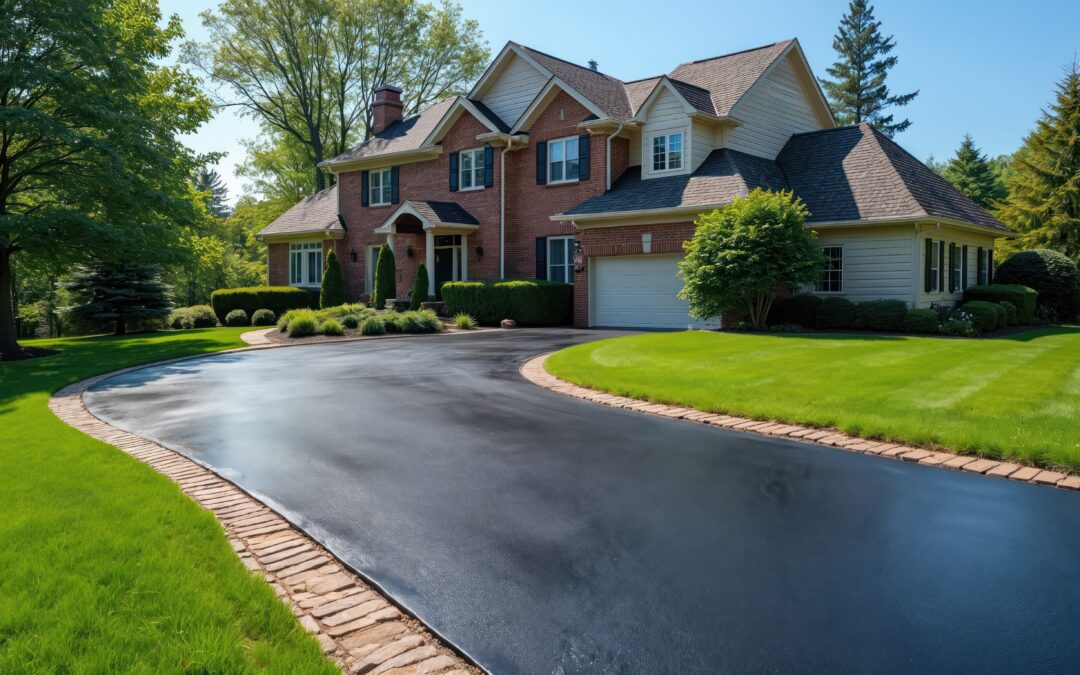
Upgrading from gravel to asphalt can make a rural driveway cleaner, quieter, and easier to maintain. It can also go wrong fast if the base, drainage, and edges are treated like minor details instead of the real job over time.
A gravel-to-blacktop project works best when you think below the surface first. The new finish may be what you see, but long-term performance comes from shaping the driveway, moving water away from it, and building enough support under the mat. That is why residential paving should start with a site walk, not a quick price from the road. For rural Maine properties, the right plan also needs to account for culverts, shoulder support, turnarounds, winter plowing, and the places where mud, frost, or soft soils already show you what the driveway needs most.
Base and Drainage First
Before asphalt goes down, the driveway needs the right shape. Certified Paving’s residential page says the team starts by looking at slopes, soil, and how water will leave the area. For new drives, it sets grades, shapes the sub-base, and builds lifts to reach the right thickness. The same page also notes that culverts may be needed to move water under the drive and protect the edge, and that on soft soils the crew can add fabric and more base to spread load and reduce settling.
That lines up with MaineDOT’s local road guidance, which says “Drainage cannot be emphasized enough in road construction and maintenance” because water weakens both the base and surface, leading to potholes, cracking, rutting, and edge breakdown. MaineDOT identifies four core parts of surface drainage: road crown, shoulders, ditches, and culverts.
For a rural driveway, that usually means correcting low spots and making sure runoff has a path away from the drive. If the shoulder falls apart, the pavement edge often follows. If water crosses the drive every storm, the best-looking surface will not fix the real problem.
Asphalt Paving Steps That Matter
Once the base is ready, the asphalt paving process should be steady and controlled. Certified Paving says it preps the base, sets edges, places hot mix, and compacts in steady passes while checking joints and transitions. The company also says it grades all areas with care, ties the new surface cleanly to garage slabs, walks, and steps, and matches the apron at the road to help keep water from pooling at the end of the drive.
Those details matter because asphalt performs best when it is placed on a stable, well-shaped base and compacted before the mat cools too much. Weak joints, unsupported edges, and sloppy transitions give water easy ways into the pavement structure. That is one reason Certified Paving emphasizes a strong base and compaction for a smooth finish on its homepage.
Ask how the crew will handle edge support, road-apron tie-ins, and any soft sections found during prep. Those answers tell you whether the contractor is thinking through the whole system or only the top layer. Good asphalt paving is not only about the final mat. It is also about the base and transitions under it.
Thresholds, Aprons, and Plowing
The small transitions often decide how the driveway feels after the job is done. Garage thresholds, walk edges, entry aprons, and parking pads all need to tie together cleanly so the surface drains well and does not create hard bumps or places where water can sit. Certified Paving says it ties new surfaces cleanly to garage slabs, walks, and steps, and confirms the width needed for cars, trucks, and plows before work begins. It also says compacted, supported edges make the surface easier to plow in winter.
That winter piece matters in Maine. MaineDOT’s winter operations resources show how central plowing and snow management are to local road performance and safety, and they point towns and property managers to planning tools and best practices for snow and ice control. For homeowners, the lesson is simple: plan a driveway that gives the plow room to work, keeps edges supported, and avoids traps where blades catch the pavement.
Cost Drivers and DIY vs Pro
Most gravel-to-asphalt price changes come from what the crew finds below the surface. Extra base stone, fabric on soft soils, drainage corrections, culvert work, widening, and edge support all affect cost more than a simple square-foot guess from the road. Certified Paving says every home and site is different, so it starts with a walkthrough and a simple plan, then writes a clear scope with pricing, timing, and any options. It also offers a free in-person estimate.
A DIY approach can sometimes handle light grading or gravel touch-ups, but turning a rural gravel drive into a durable asphalt surface usually needs more than a rented roller and a truckload of mix. If the crown is off, if the ditching is weak, or if the base is too thin, the new surface can start failing before it ever feels paid for. That is why a professional plan is usually worth more than a low upfront number, especially when residential paving has to survive frost, runoff, and regular plowing.
Free on-site plan and pricing
If you are ready to move from gravel to blacktop, start with a site visit and a written scope. Learn more about our residenial paving services, read about our owner-on-site approach on our About page, and use our contact page to schedule a free in-person estimate. Certified Paving says it brings four generations of skill and keeps an owner on site at every job.